After a Fire, the Insurance Fight Shouldn't Be Another Disaster.
Fire claims involve structure, smoke, contents, and code upgrades. Carriers routinely underpay on all of them.
About This Service
Understanding Fire Damage Claims
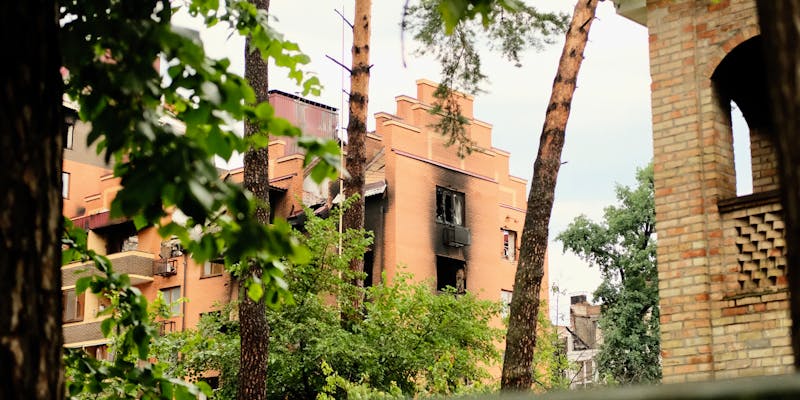
Fire claims are some of the most complex in insurance. Beyond the obvious fire and heat damage, there's smoke damage that infiltrates HVAC systems, walls, and soft goods. There's water damage from firefighting. There's potential structural compromise that isn't visible. And there are building code upgrades triggered by the extent of the repair. Carriers try to simplify these claims. We don't let them.
Our Approach
How We Handle This Differently
We itemize fire claims down to the stud. Structural damage, smoke remediation, HVAC cleaning or replacement, content inventories, code upgrades, temporary housing — every category gets its own documentation and code citations. Our construction background means we catch structural issues that insurance-only adjusters miss.
Carrier Tactics
When Your Carrier Pushes Back
"Smoke damage is limited to the affected rooms"
We test adjacent areas for smoke residue and document HVAC pathways that carry smoke throughout the structure. Smoke damage rarely stays contained to the fire origin.
"Code upgrades aren't covered"
We review the policy's Ordinance & Law coverage and cite the specific building codes triggered by the repair scope. If O&L coverage exists, code upgrades are covered.
Common Questions
Frequently Asked Questions
What does a fire damage claim typically include?
Fire claims can include structural repair, smoke remediation, water damage from firefighting, content replacement, code upgrades (Ordinance & Law), additional living expenses while displaced, and debris removal. Each category has its own coverage limits and documentation requirements.
How is smoke damage assessed?
Smoke damage is assessed by testing surfaces, HVAC systems, and soft goods for residue. The type of fire (protein, synthetic, wood) determines the remediation method. We document the extent of smoke penetration throughout the structure, not just the rooms with visible soot.
Will my policy cover bringing my home up to current building code?
If your policy includes Ordinance & Law coverage (most do), it covers the cost of bringing damaged areas up to current code during repair. This can significantly increase the claim value, especially in older homes.
Keep Going